Between Interfaces and Insight: A Frontend Story Built on Curiosity
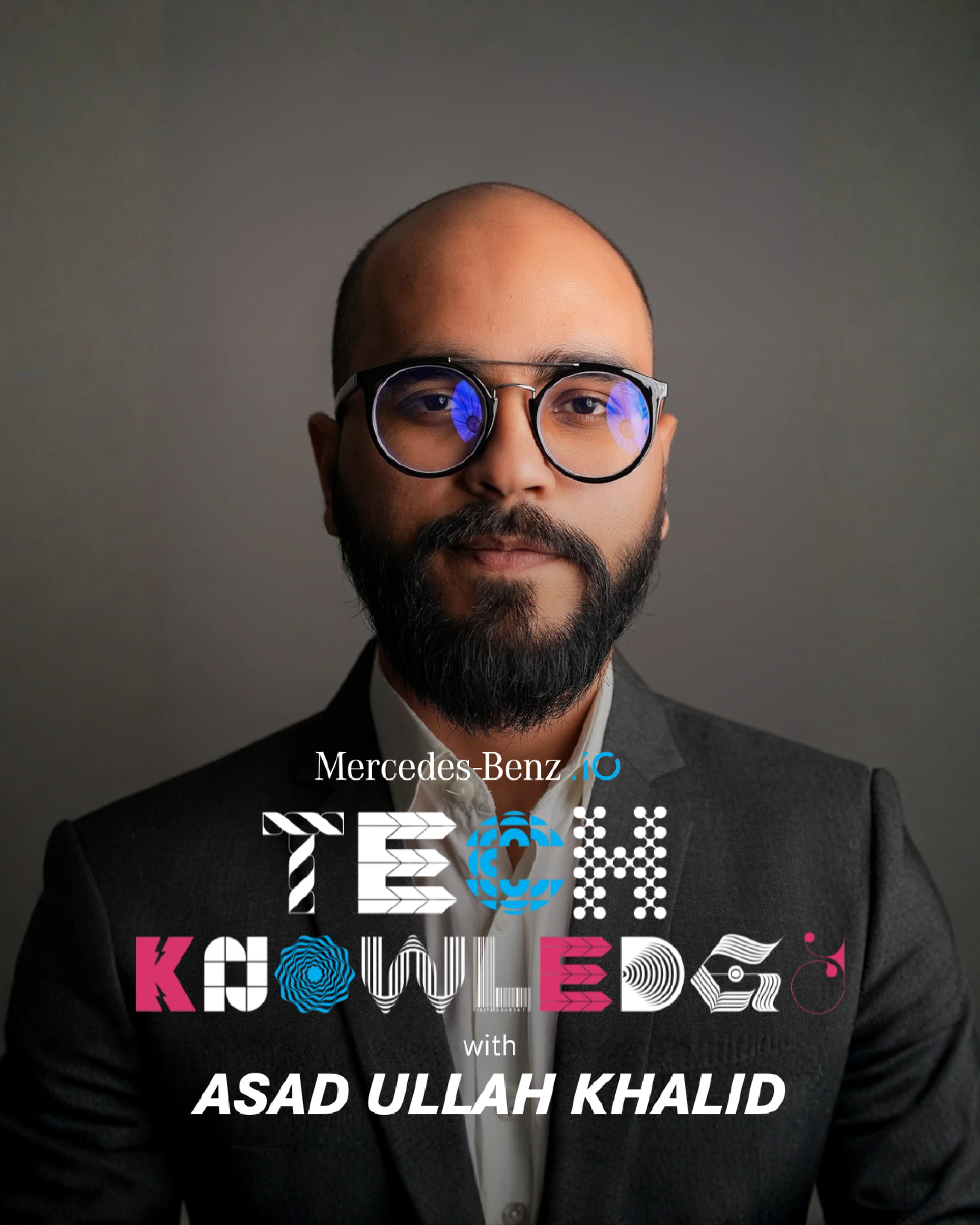
About This Contribution
In the world of Frontend Engineering, appearances can be deceiving. Ask Asad Ullah Khalid, and he'll tell you: this field isn't just about crafting “pretty UIs”, it's a layered, evolving space that balances engineering, creativity, architecture, and empathy. It sits right at the intersection of user experience, backend logic, and business goals.
In reality, it's so much deeper, it's about system design, performance, accessibility, and understanding how everything connects.
This is the story of how curiosity, adaptability, and a user-first mindset turned a frontend developer into a systems thinker. One who never stops learning and never settles for surface-level answers.
More Than Just the Visual Layer
If there's one thing Asad wishes more people understood about Frontend, it's the technical complexity that lies behind every pixel. Balancing design and code is a constant act of translation: visual concepts need to be engineered into robust, accessible, and scalable systems.
For me, it's about constantly asking: Is this making things easier and better for the user? I don't just build what's given, I question, suggest, and improve until the experience and engineering feel right.
That mindset has shaped the way Asad collaborates across teams, offering clarity on why certain design decisions need technical rethinking and why good engineering sometimes means pushing back.
Staying Grounded in a Fast-Moving Field
Frontend development is notoriously fast paced with new tools, frameworks, and trends dropping every week and the pressure to keep up can be overwhelming. But Asad has learned to navigate the noise with intention.
“I've made peace with the fact that I can't learn it all,” he admits. “What works for me is staying aware of what's coming in and then focusing only on what's relevant to my work and passion.”
His go-to learning methods are side projects, community-driven content on Reddit and LinkedIn, and a few trusted newsletters. This approach helps him stay sharp without burning out.
A Frontend Engineer Who Understands the Backend
One of the biggest breakthroughs in Asad's journey came not from learning more frontend but from understanding how backend systems work.
"The frontend is exposed to the internet. That makes it crucial for privacy, security, and performance to know what should stay client-side and what belongs on the server,” he explains. “That backend knowledge helps me design better integrations, avoid assumptions, and collaborate more effectively across teams.”
It's also what allows him to bridge the gap between domains, becoming a more holistic engineer who can spot risks, design scalable systems, and think beyond the UI.
What Defines a Great Frontend Engineer?
After years in the field, Asad believes the best Frontend engineers share three things: user empathy, curiosity, and adaptability.
“We sit in the middle of design, backend, and business”, he reflects. “Communication and attention to detail matter a lot. You need to care about how things feel, not just how they function.”
And as Artificial Intelligence (AI) begins to reshape the way interfaces are built, this space is evolving faster than ever. “AI is proving especially useful in frontend. Staying relevant now means learning how to leverage those tools to advance ourselves and create even better experiences.”
There's a reason Asad still finds frontend so exciting. It's the constant tension between creativity and logic. The fact that nothing stands still and the knowledge that every great interface hides a complex web of decisions, trade-offs, and care.
“It can be exhausting sometimes,” he laughs. “But that's the beauty of it, you don't rest; you keep evolving.”
Note: This article was originally published by Mercedes-Benz.io as part of an interview with Asad Ullah Khalid.